Posts by Geoff May
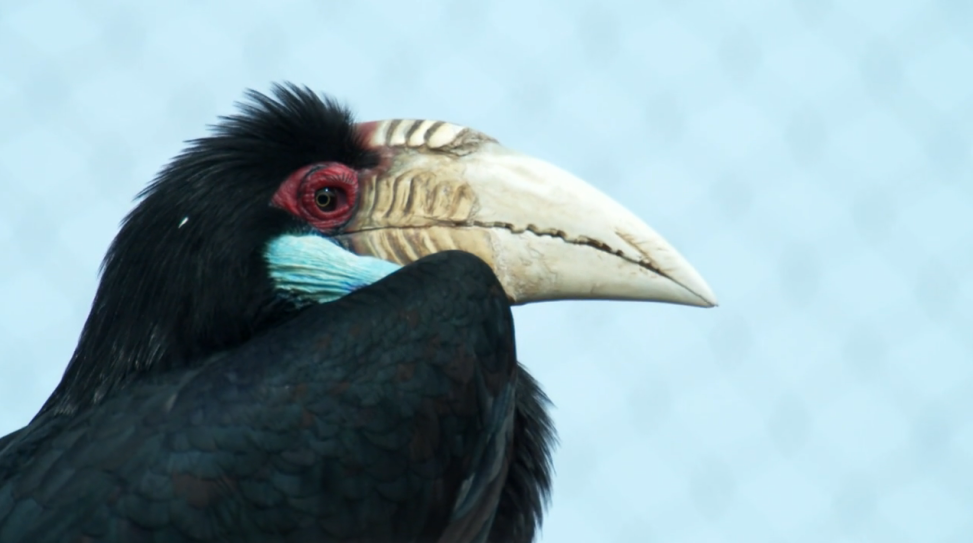
Ten percent of a hornbill's body weight is in its beak
Hornbills have earned their name from their comically large beaks. The beaks are so heavy, that the bird’s first and second vertebrae are fused together to help them carry the weight. More from Bird Week on Love Nature: Baby black storks growing up Africa’s vultures are circling towards extinction, a new study warns Baby hummingbirds … Continued
Baby black storks growing up
At only 50-days-old, these baby black storks are growing up fast. Their parents have already started giving them space as well, even though the young birds aren’t quite yet capable of defending themselves from predators. However, mom and dad keep a close eye on their offspring from the skies. More for bird week on Love … Continued

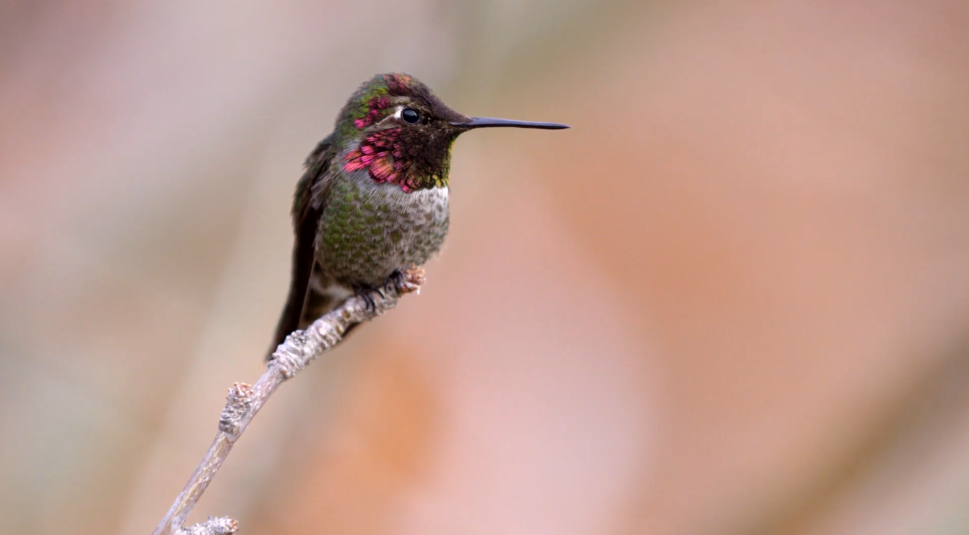
Baby hummingbirds have to learn how to use their tongues
Not only do young hummingbirds have to learn how to fly, they also have to learn how to use their tongues in order to collect nectar. This involves doing tongue exercises. More bird features on Love Nature: Africa’s vultures are circling towards extinction, a new study warns The world’s oldest tracked bird is ready to … Continued
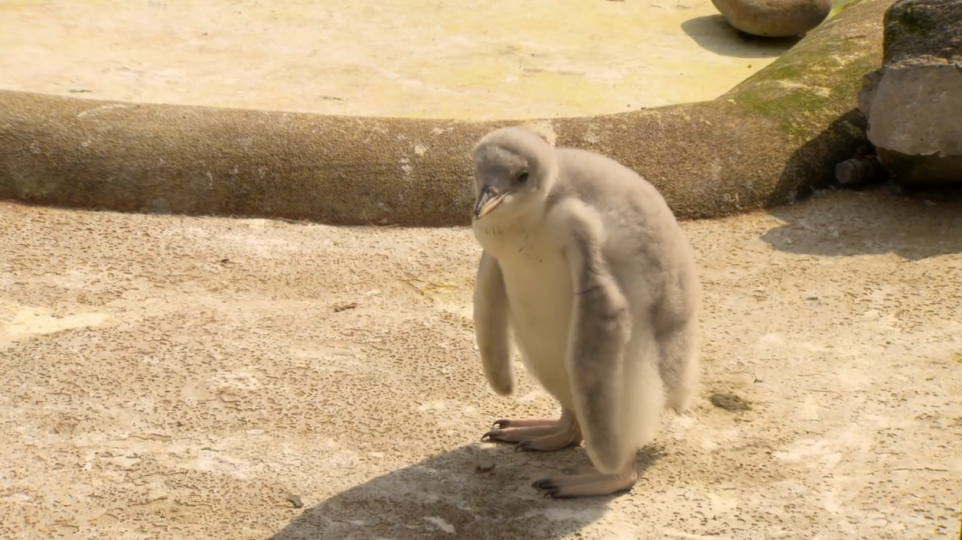
Meet the baby gentoo penguins from the Edinburgh Zoo
Female gentoo penguins will lay two eggs, with both parents taking turns to incubate them. The incubation period usually takes 34 to 36 days, until the young hatch. After hatching, the baby penguins will remain in the nest for the first month of life. They’ll start to form groups with other newborns, and together they … Continued
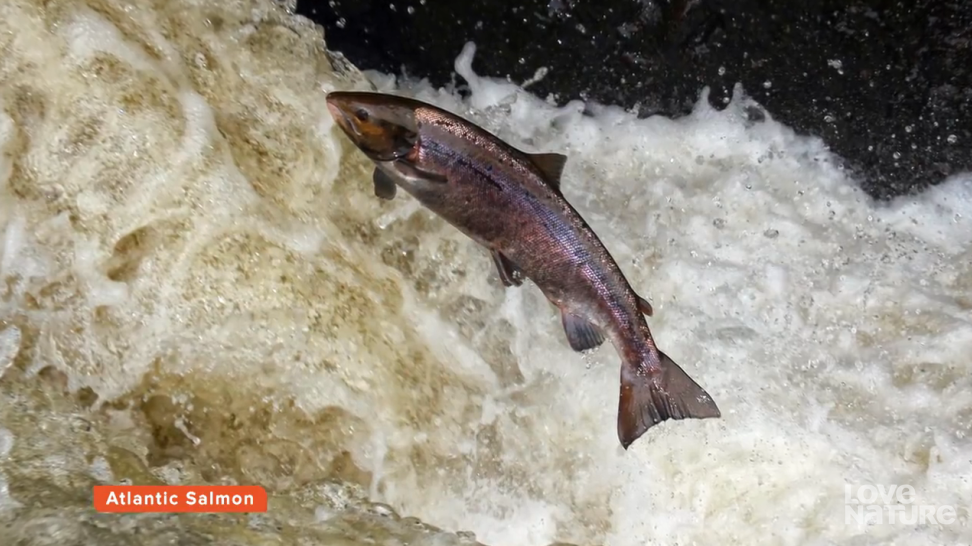
5 freshwater species at risk in Canada
These are just a handful of the species at risk in Canada’s freshwater ecosystems. The health of Canada’s watersheds and maintaining our access to freshwater, food and more, is integral to protecting the livelihood of these species. Learn more about these five species from David Miller, President and CEO of WWF-Canada. Video produced by Blue … Continued
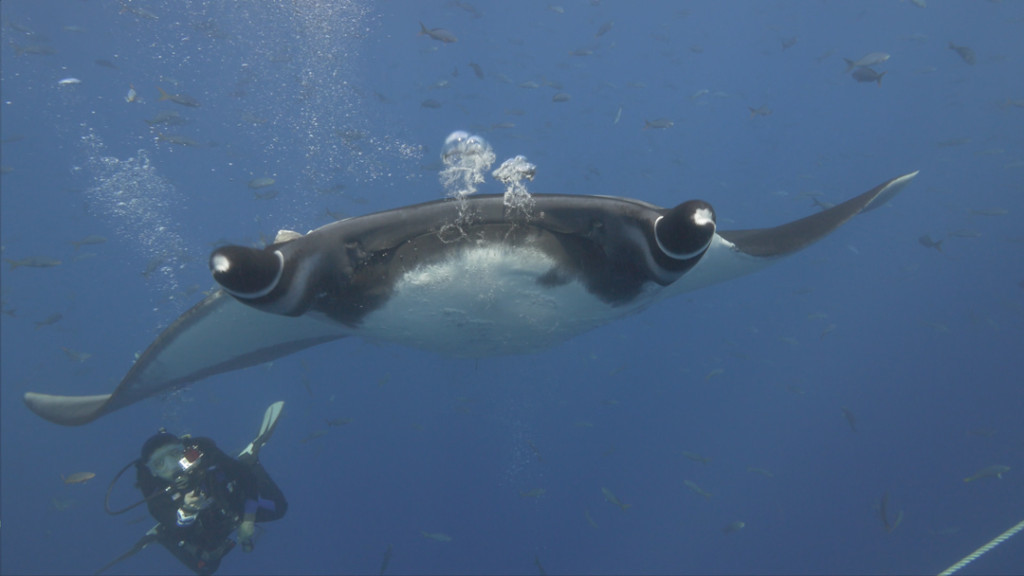
Destination spotlight: Socorro Islands in Mexico
Our production crews photographed some amazing and rare creatures while on location in the waters surrounding the Socorro Islands, for Great Blue Wild. Also referred to as the Revillagigedos Archipelago, and frequently compared to the Galapagos Islands, this chain of four volcanic islands sits approximately 400km south of Cabo San Lucas in the eastern Pacific ocean. … Continued
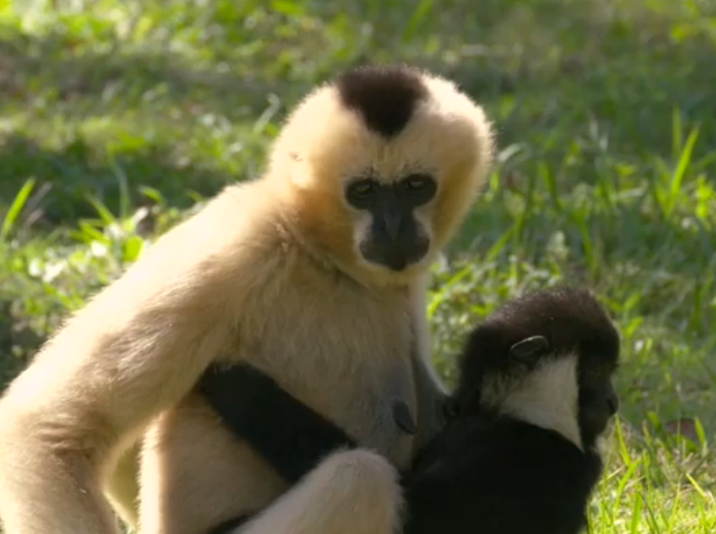
Family life with the white-cheeked gibbons
White-cheeked gibbon couples set quite the example for the ideal family unit. The male and female will mate for life and often sing together. Once they have an offspring, both parents will put in the work to raise and nurture their young.
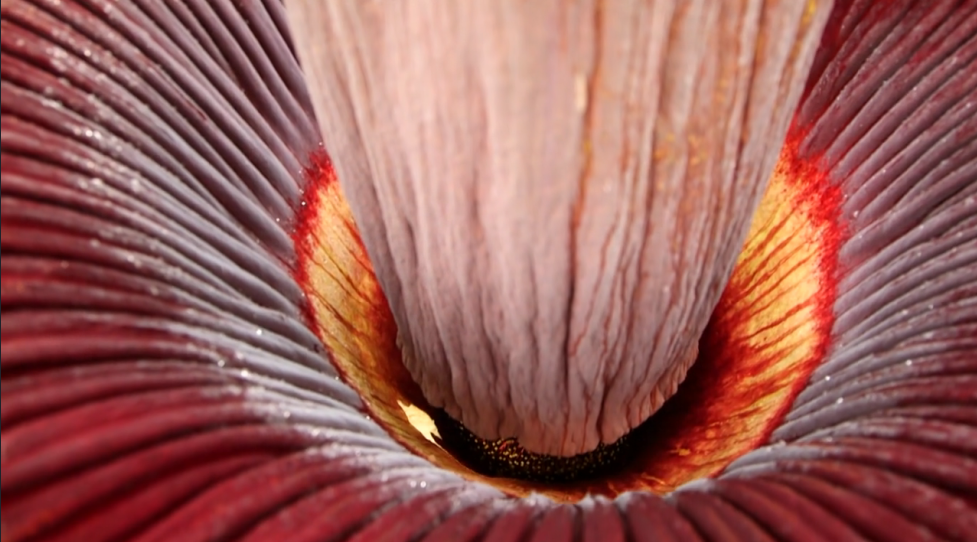
The world's tallest flower is also the stinkiest
Taking around 10 years to blossom, the corpse flower has earned a very stinky reputation. The stench helps attract insects, who will carry and spread the plant’s pollen.
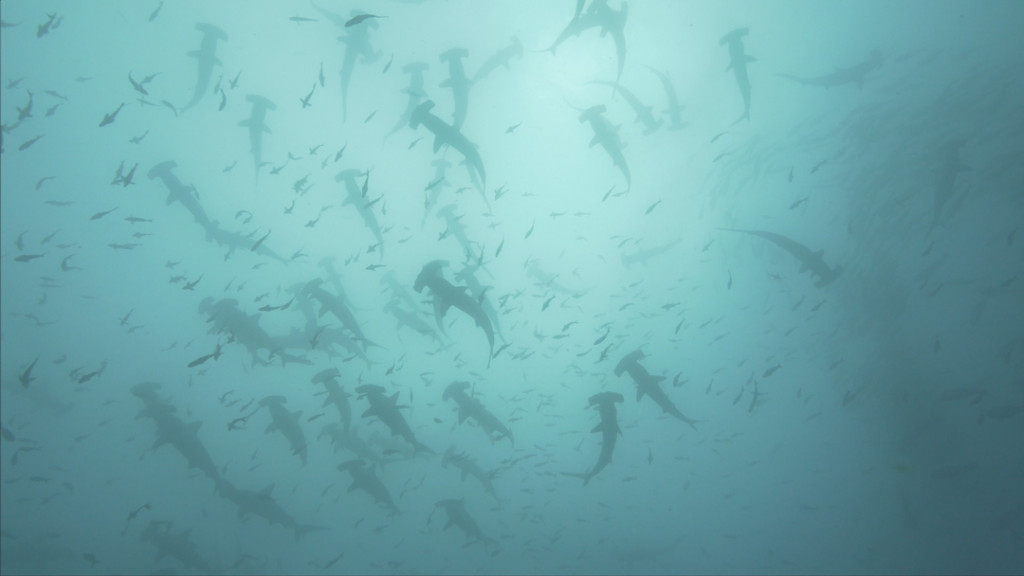
Destination spotlight: Underwater around the world's 'most beautiful island'
Dive into Costa Rica’s underwater paradise with these amazing photos, captured whilst filming for Love Nature’s upcoming new show Great Blue Wild, coming soon Located approximately 550km (342 miles) off Costa Rica’s Pacific shore, Cocos Island is one of the country’s foremost national parks. The island is home to a number of magnificent animals, on land, but especially … Continued
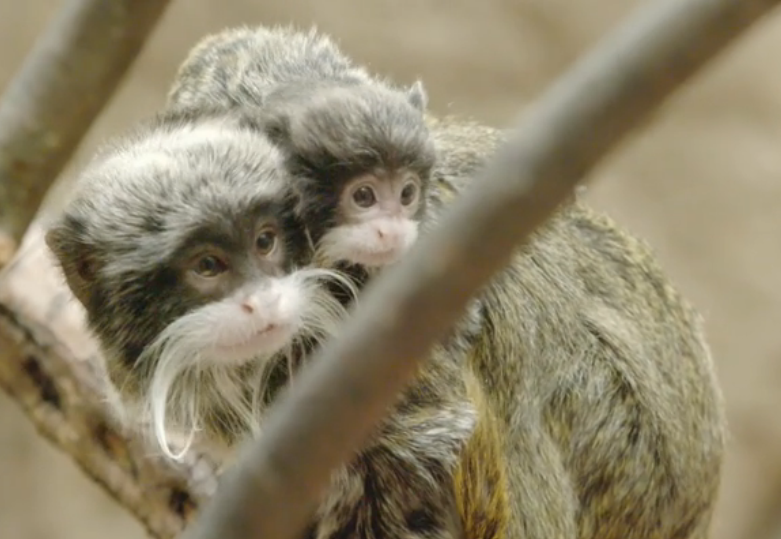
This 7-week-old tamarin is driving his mom crazy
This baby tamarin is 7-weeks-old, and is already a quarter of the size of his mother. Naturally, mom is getting a little tired of carrying baby on her back.
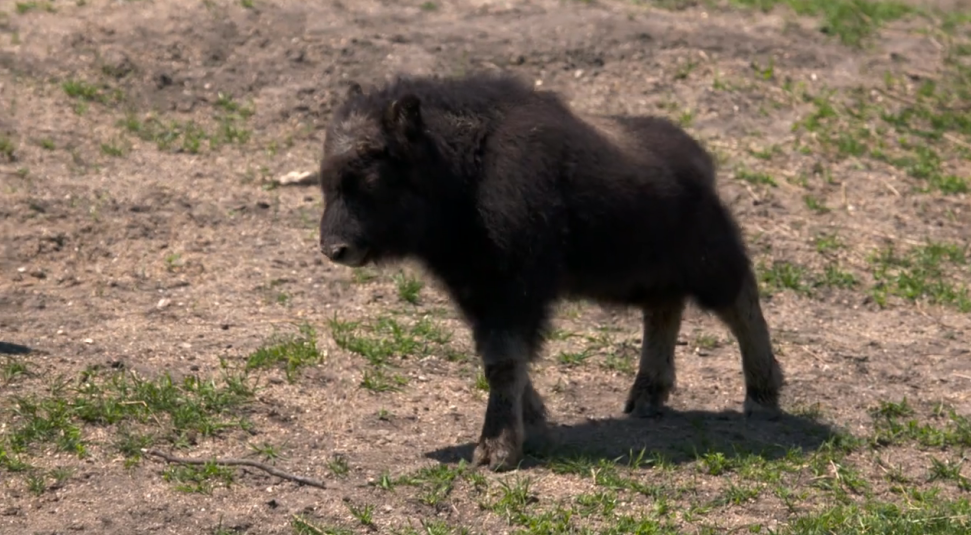
Meet Bulldozer, a 6-week-old muskoxen
At 6-weeks-old, Bulldozer has a lot to learn about being a muskox. Thanks to mom’s guidance, he’ll gain all the skills and knowledge he’ll need to survive.
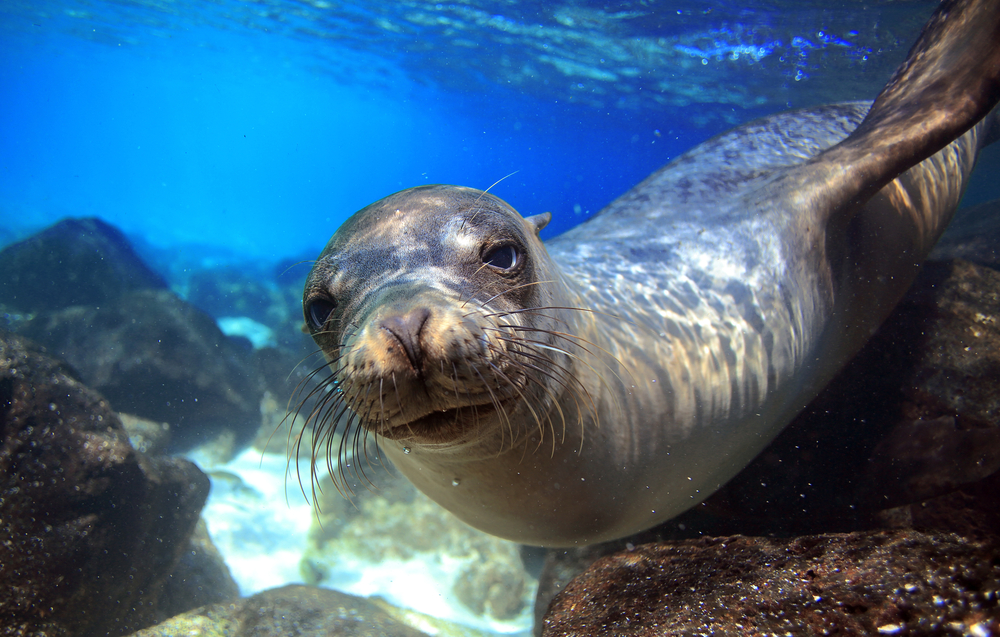
Seals can remain underwater for 10 minutes
When your primary food source lies under the water’s surface, you have to develop some unique adaptions in order to survive. For seals, this includes new ways of storing oxygen, swallowing food and keeping the nose closed.
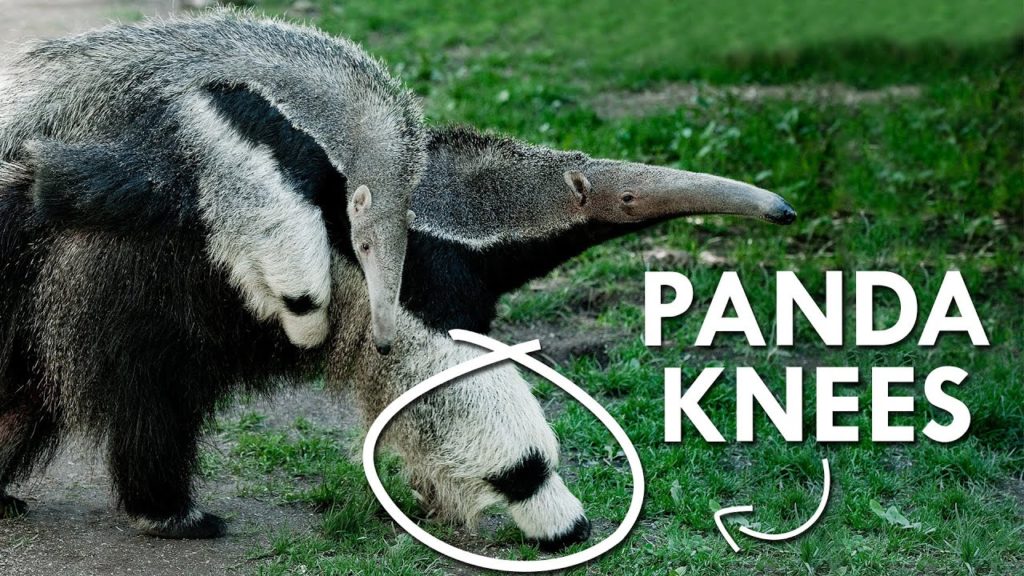
Giant Anteaters have Panda Knees
Anteaters can have two foot long tongues that allow them to pick up over 30,000 ants everyday. Move over Yellow Jacket, there’s a new super villain in town.
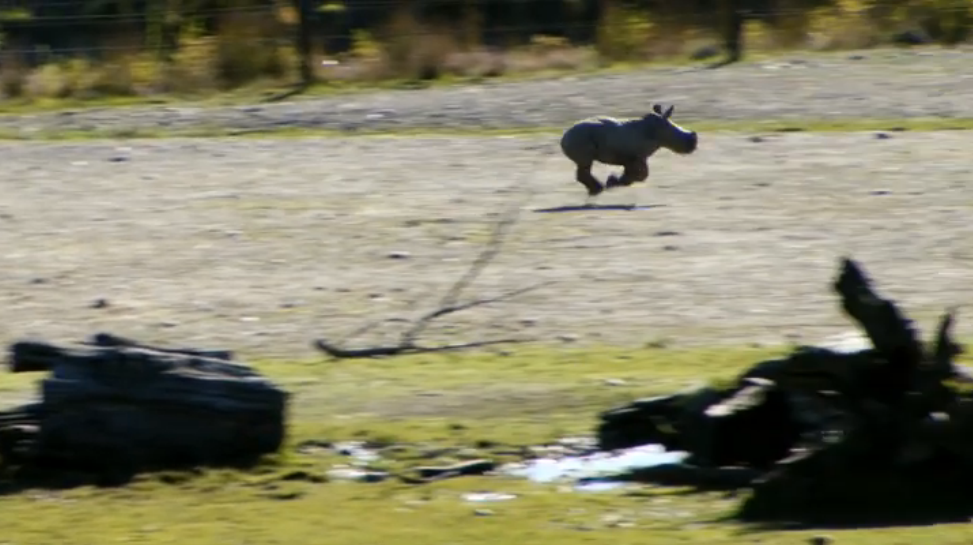
This 2-and-a-half-month-old white rhino loves to run
Meet Tino, a 2-and-a-half-month-old white rhino who is fast on his feet. Not only does running help the young rhinoceros burn off energy, but it keeps mom on her toes as well.
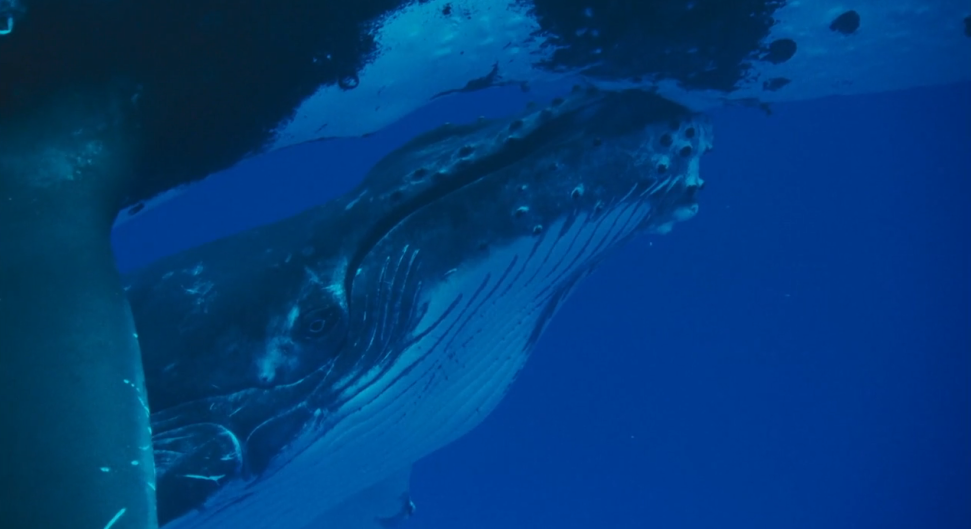
Baby whale drinks from mother's milk
Like most mammals, whale calves require their mother’s milk for nutrients. However, it can prove difficult to feed underwater, so just how do these magnificent beasts do it?
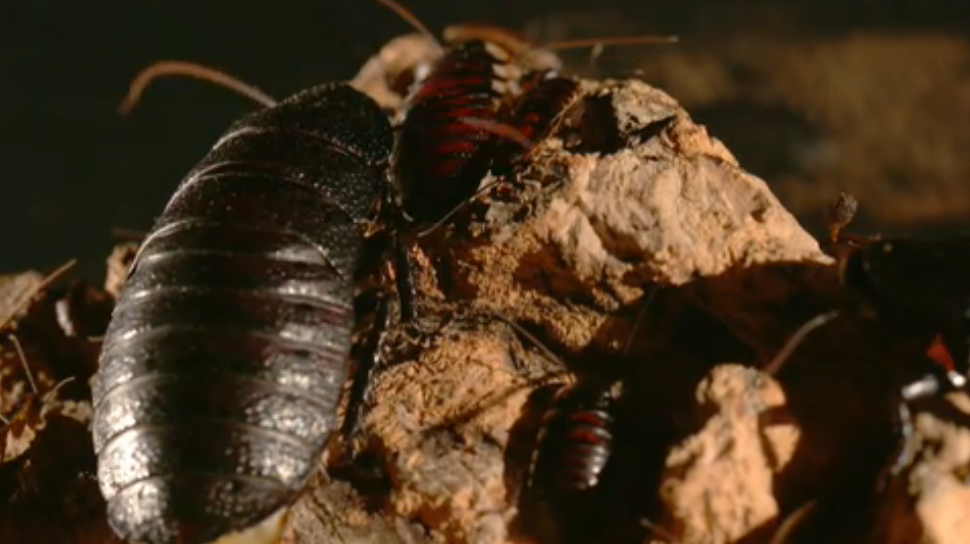
Why are cockroaches so incredibly hard to kill?
These creepy-crawlies have earned a bad reputation thanks to their invasive nature and knack for spreading disease, but cockroaches are more deserving of our admiration than scorn as they hold an impressive ancestry that dates back over 300 million years. And thanks to their incredible ability to adapt to pretty much anything, they may live … Continued
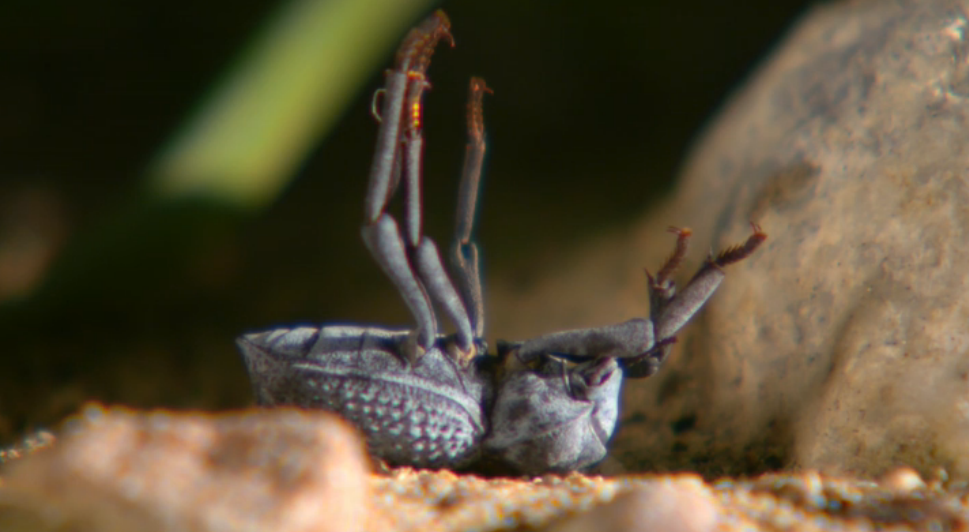
This beetle is known for playing dead
As its name suggests, the blue death feigning beetle is well known for playing dead when threatened.
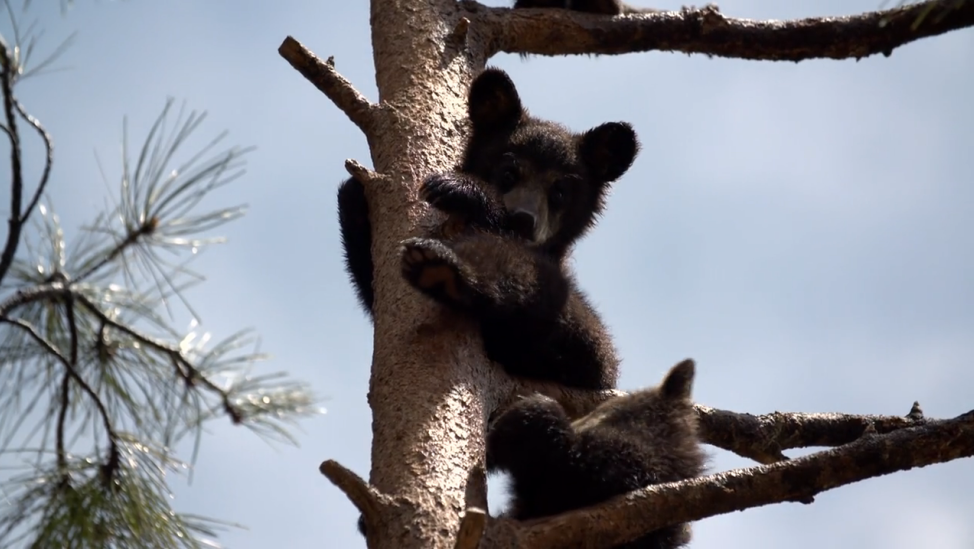
Watch 4 baby black bear cubs play and wrestle
Meet Captain, Klondike, Blue and Scout – 4 North American black bear cubs living at the Bearizona Wildlife Park in Arizona. They enjoy climbing, playing and wrestling, which helps them to develop their social skills.
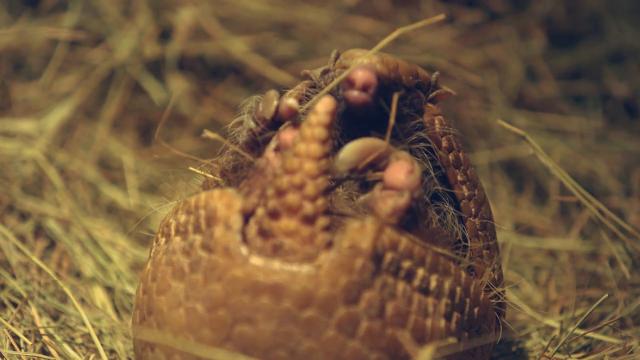
This is how armadillos are able to roll into balls
As a defense mechanism, armadillos are equipped with one very unique and useful trick: They can roll up into a ball. But have you ever wondered how they’re able to do it?
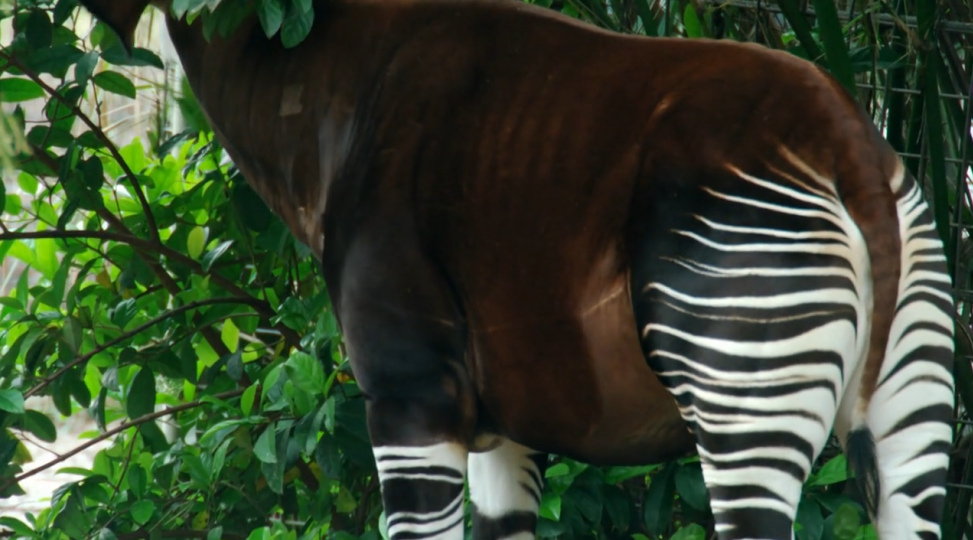
This creature has the body of a horse, legs of a zebra and the head of a giraffe
The okapi, which looks like a mash-up of a horse, a zebra and a giraffe, is quite a hard creature to find in the wild. In fact, they used to be called the African unicorn because they were so rare.
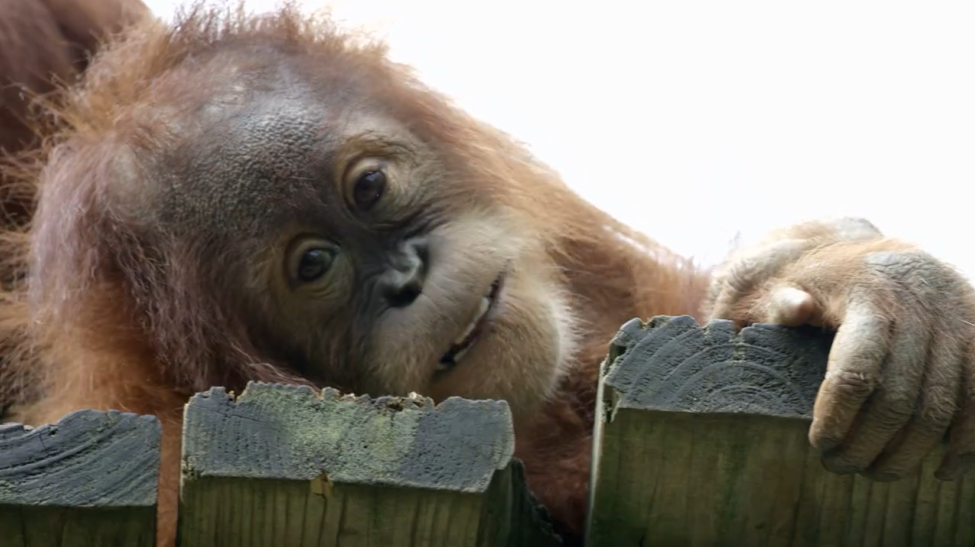
This baby orangutan is a real mama's boy
Orangutans are primarily solitary creatures, except for the first 2 years of life when they’re completely dependent on their mothers. The first 4 months are spent literally glued to mom, never leaving her side. Once the ape starts developing climbing skills, at about the age of 2, distance starts to grow between mother and infant. … Continued
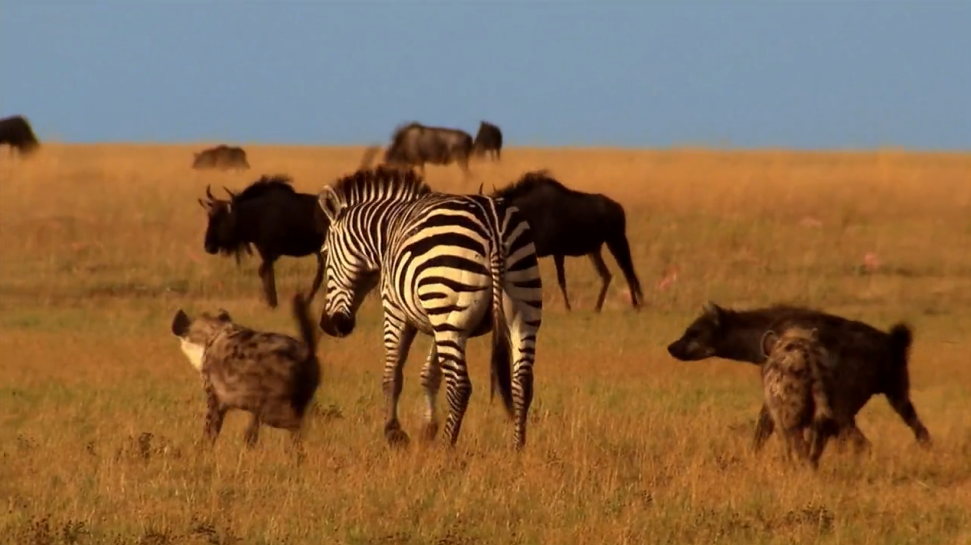
Injured zebra saved from hyenas
An injured zebra finds itself in serious danger when a pack of hungry hyenas come calling. Fortunately, the herd isn’t going to leave one of their own at the mercy of the laughing predators.
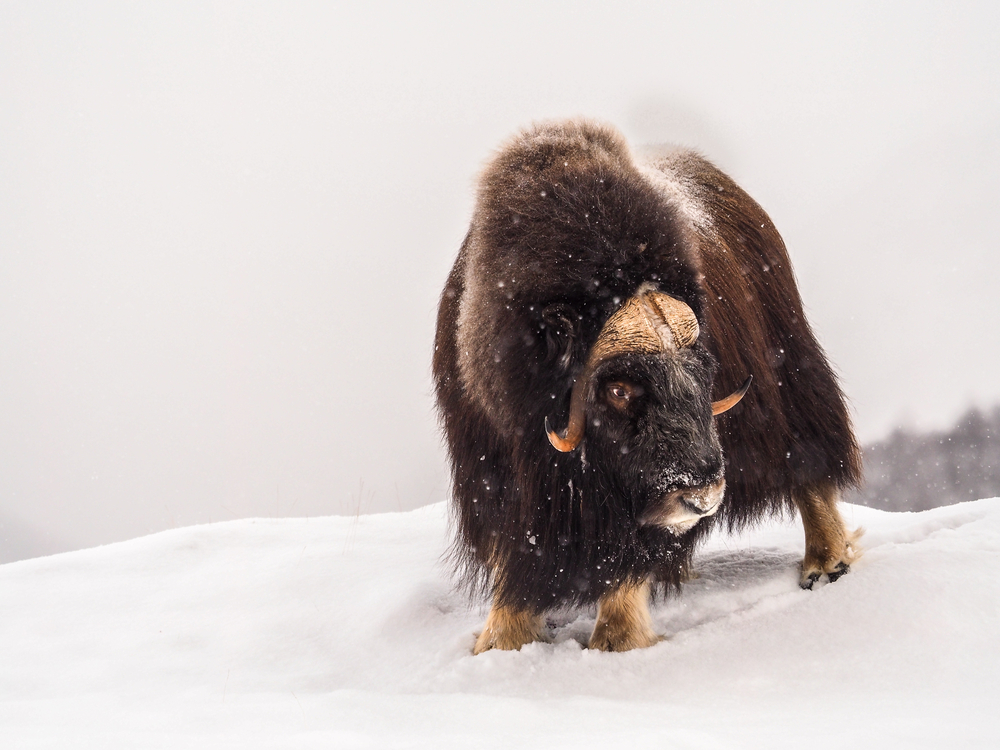
The muskox's secret to surviving the Arctic cold
Harsh cold and hungry predators are just a few dangers that threaten the muskox’s survival. However, thanks to its thick coat and long horns, this big goat is able to tackle these challenges head on.
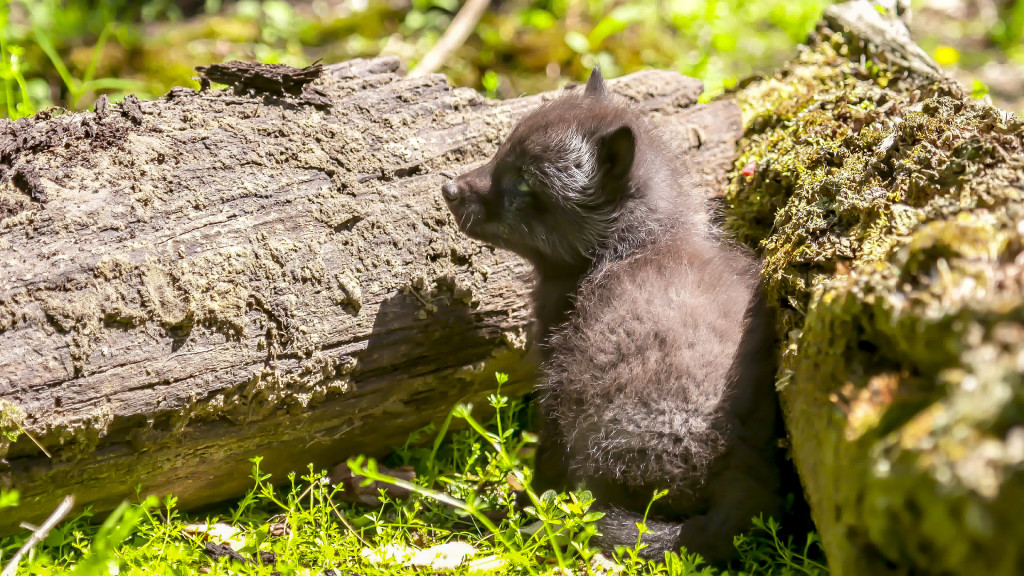
Fee, Fi, Fo, Fum: 4 Silver Fox Pups Having Fun
Here at the Saunder Country Critters Zoo, Franny is the young mother of 4 silver fox pups. Fee, Fi, Fo and Fum have a lot to learn about being a fox before they earn their silver coat.
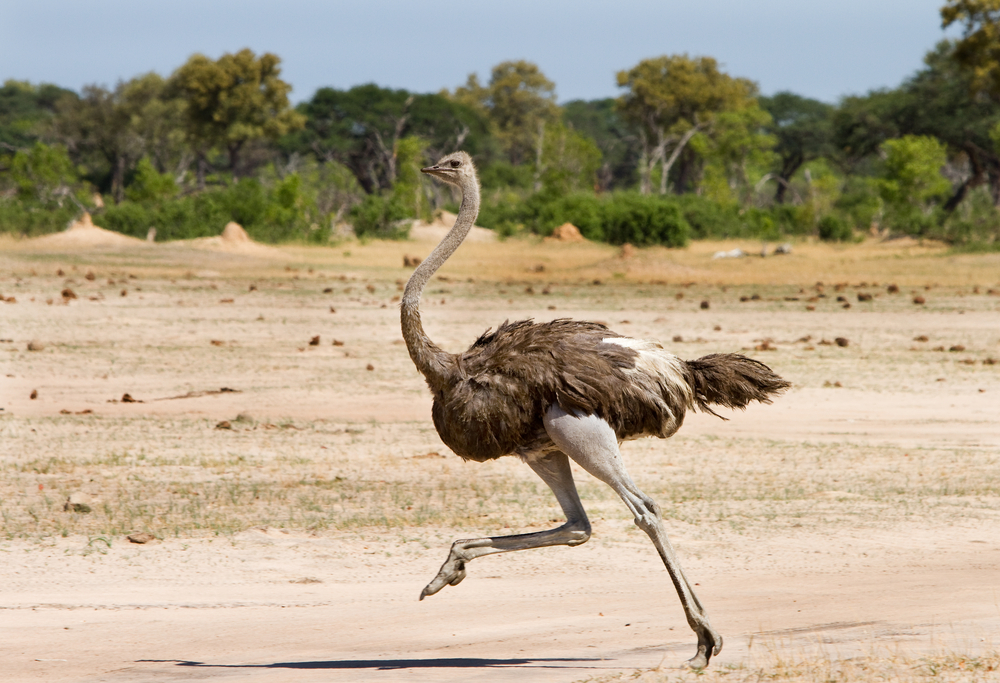
Ostriches don't need their wings to fly . . . they need them to dance
Are you curious as to why a flightless bird would need wings in the first place? It all comes down to an important mating ritual: the ostrich dance.
This is what penguins look like when they're in love
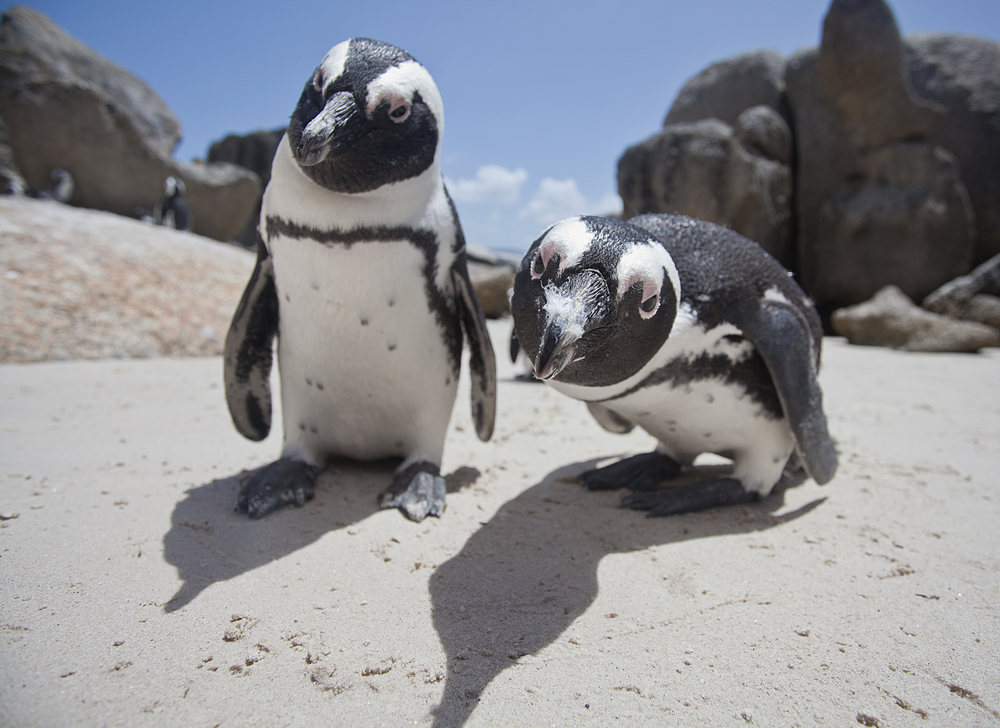
Love is a many splendid thing, even when you’re a penguin. African penguins mate for life, and a couple will breed at the same site every year.