
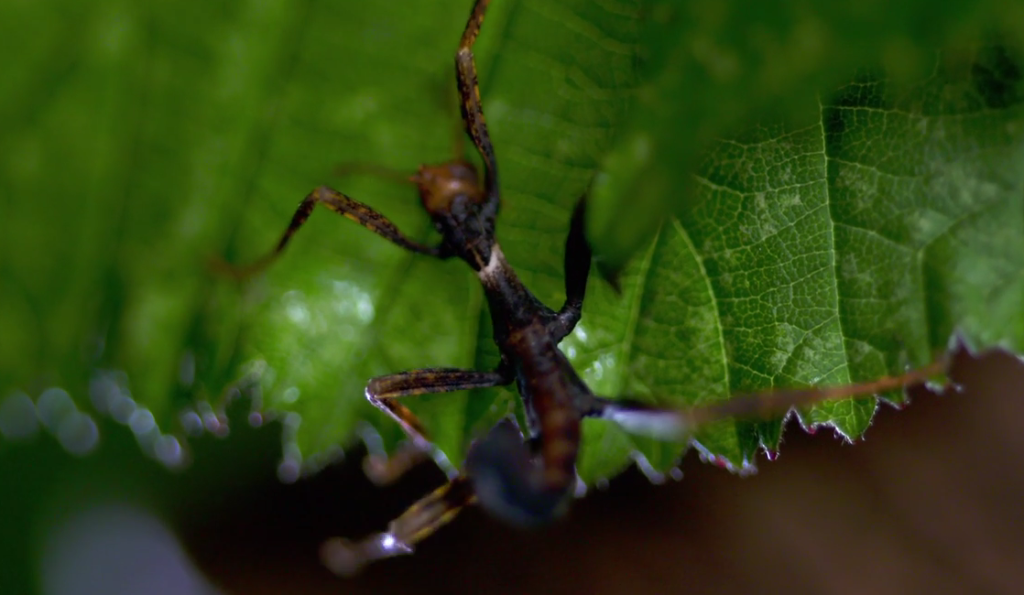
Strange creatures: stick insects
The giant stick insect may not have usable wings, a stinger, or even bite, but its special ability to disguise itself among trees and plants is unbelievable. Covered in defensive spines in case of an attack, the stick insect can curl its tail to appear as if its a scorpion and the females have a … Continued
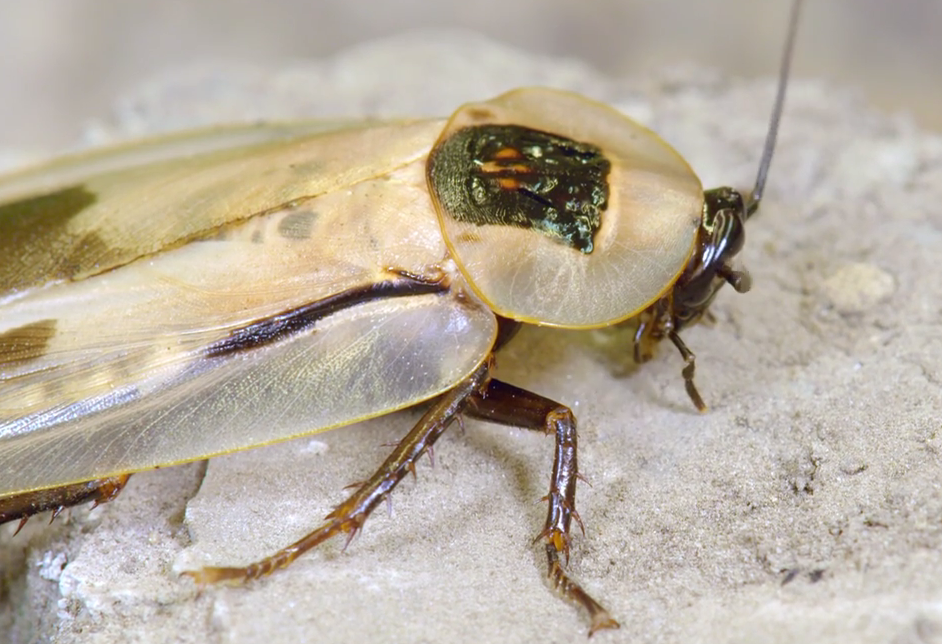
Strange creatures: the giant cave cockroach
Unlike most invertebrates, the giant cave cockroach has a lifespan of two years. This is due to the insect’s amazing immunity, one that can fight off fungal infections by producing antibodies time and time again. This 8 cm long and 2-and-a-half cm wide creature prefers to live in colonies of about 200—and don’t worry, they’re … Continued
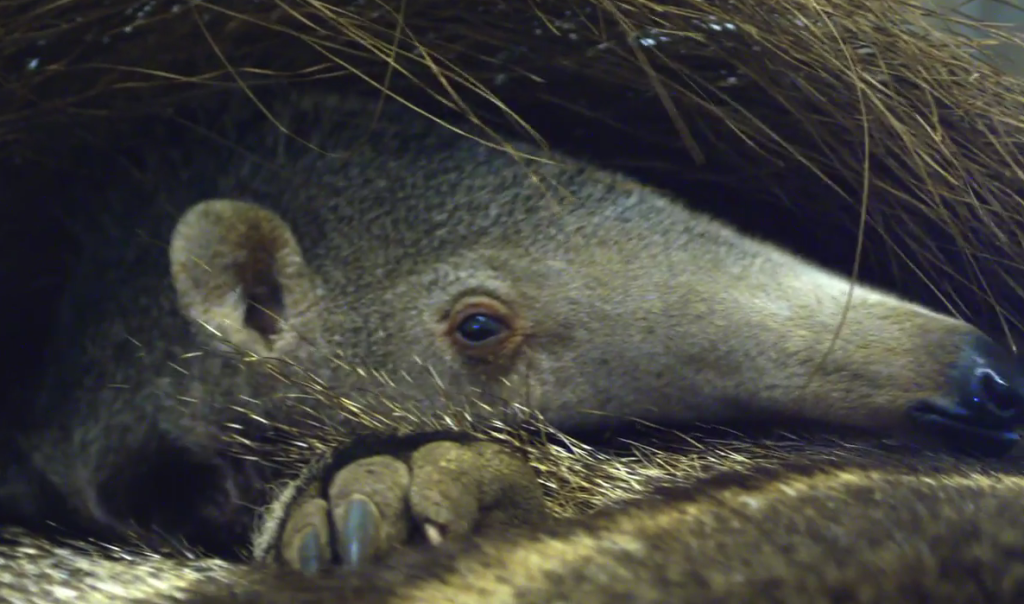
Baby animals: giant anteaters
Giant anteaters may be funny to look at, but they were built to fight and are armored with extremely sharp claws. Labeled vulnerable in the wild, these furry creatures weigh roughly 45 kilograms and have unusually large snouts and tongues. The better to smell you with, my dear. Their sense of smell is 40 times … Continued
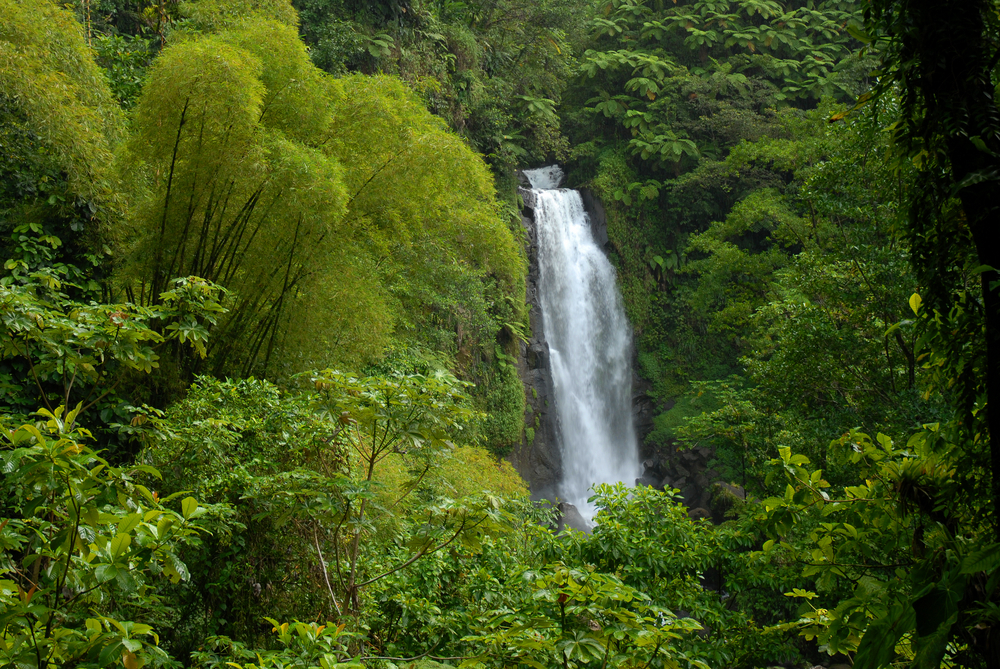
Paradise lost: Humans have destroyed a 10th of Earth's wilderness areas in 25 years
A new report has revealed that human activity has destroyed 10 per cent of the planet’s remaining wilderness areas in the last two and a half decades, and authors have warned that there will be no unspoiled areas left at all within a century if current behaviour continues apace. The shocking study—conducted by the University … Continued
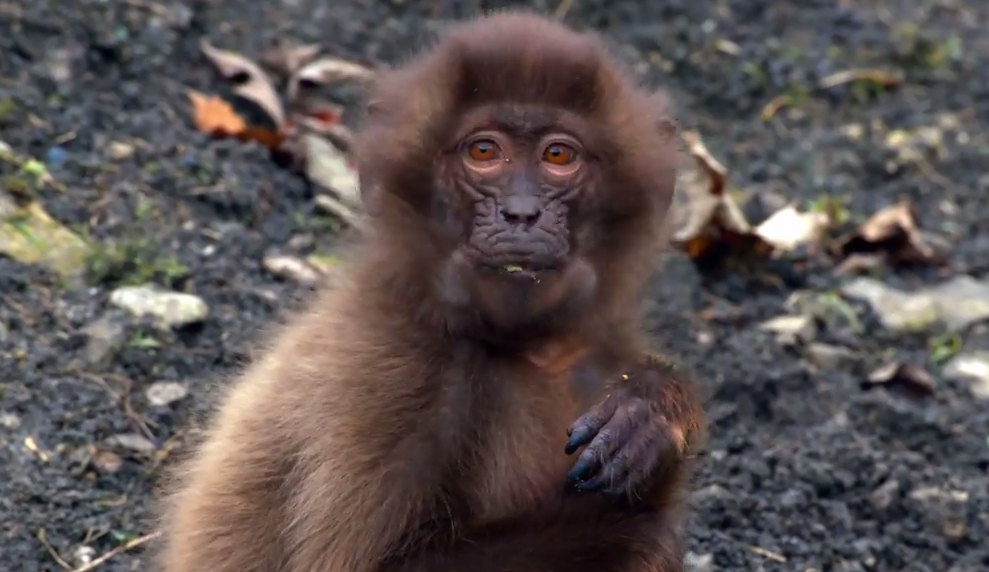
Baby animals: gelada baboons
Humans can learn a thing or two from gelada baboons. Female geladas won’t put up with any nonsense from the males within their blended families, which are often filled with many distinct personalities. At the Dudley Zoo, they are a small family, but in the wild in the high mountain meadows of Ethiopia, foraging families … Continued
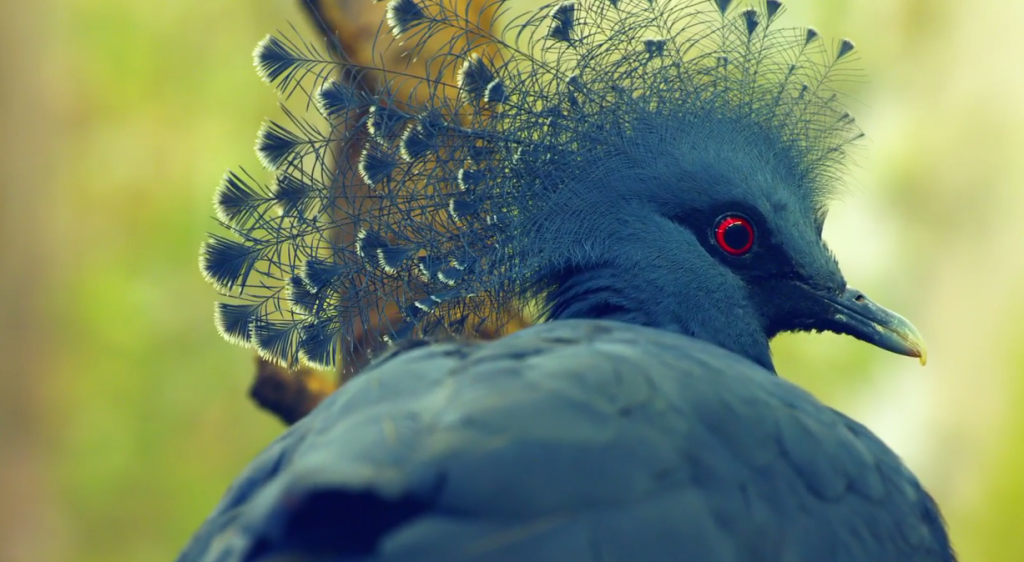
Strange creatures: crazy craniums
From the royal spoonbill with their spoon-shaped bills to the preening and parading Victoria crown pigeon, these distinctive birds all have peculiar and eye-catching characteristics.
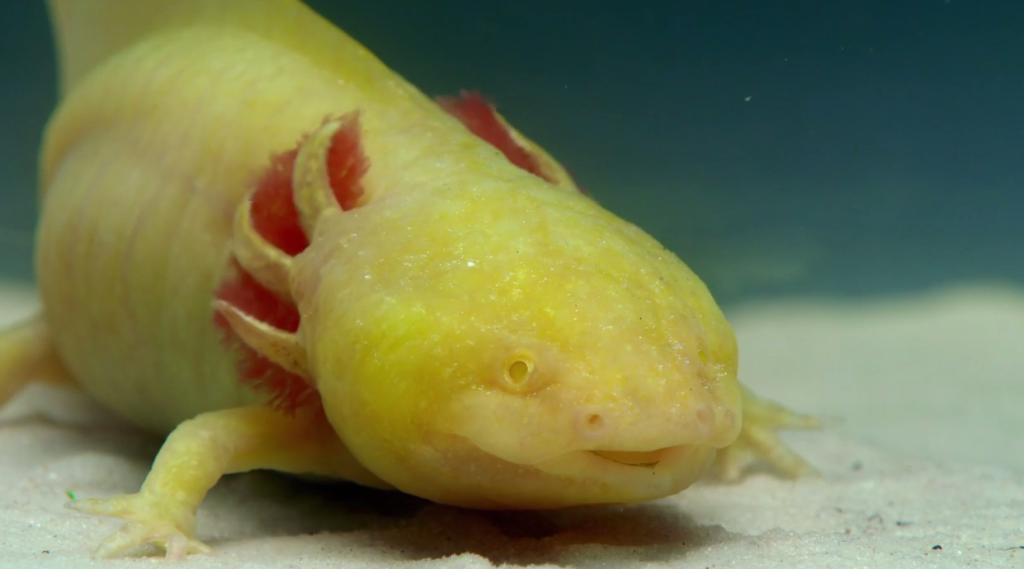
Strange creatures: the axolotl
Although certain species, like lizards and spiders, can regrow parts of their bodies just the same, the axolotl can regrow certain areas that no other organism can. Cellular regeneration within brain tissue, jaws, internal organs, and parts of their spines has scientists truly amazed.
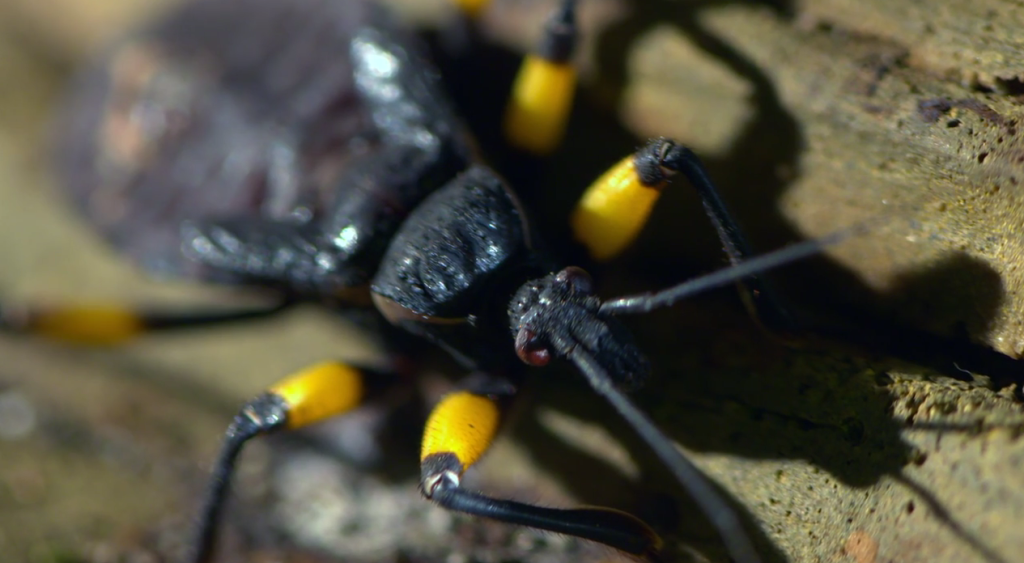
Strange creatures: the assassin bug
They weren’t given the name assassin for nothing. The assassin insect, also known as the kissing bug, includes 7,000 species and has a distinct method of hunting and killing its prey. Take care while sleeping—you don’t want a visit from this particular kissing species. But they’re not all bad; they serve some very important functions, … Continued
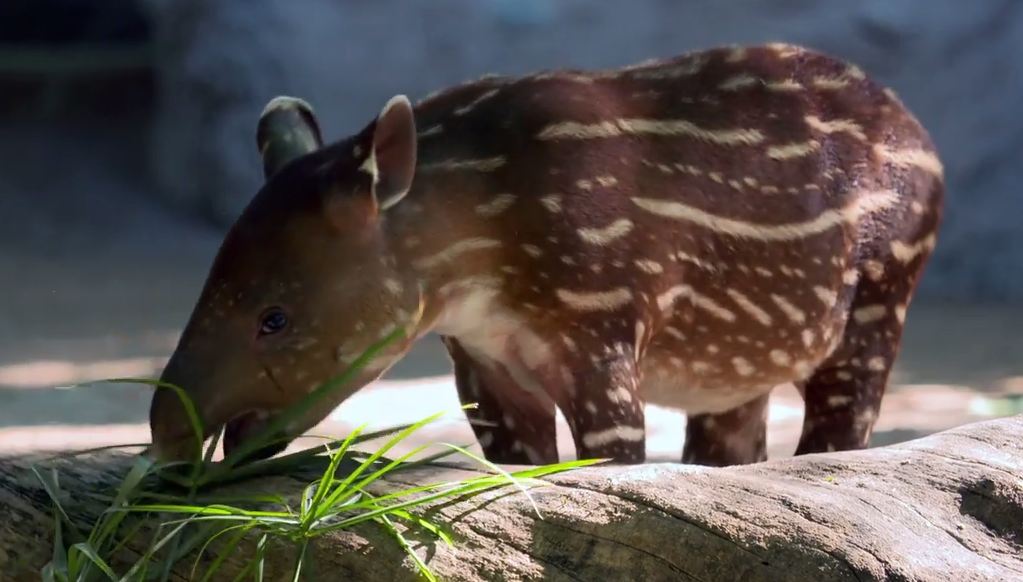
Baby animals: bear tapirs
You’re not likely to find the endangered bear tapir in the wild. Only 5500 of them remain in the wild making them a pretty rare sight. That is unless you visit the Reid Park Zoo in Tucson, Arizona. Oh, and they like to eat poop.
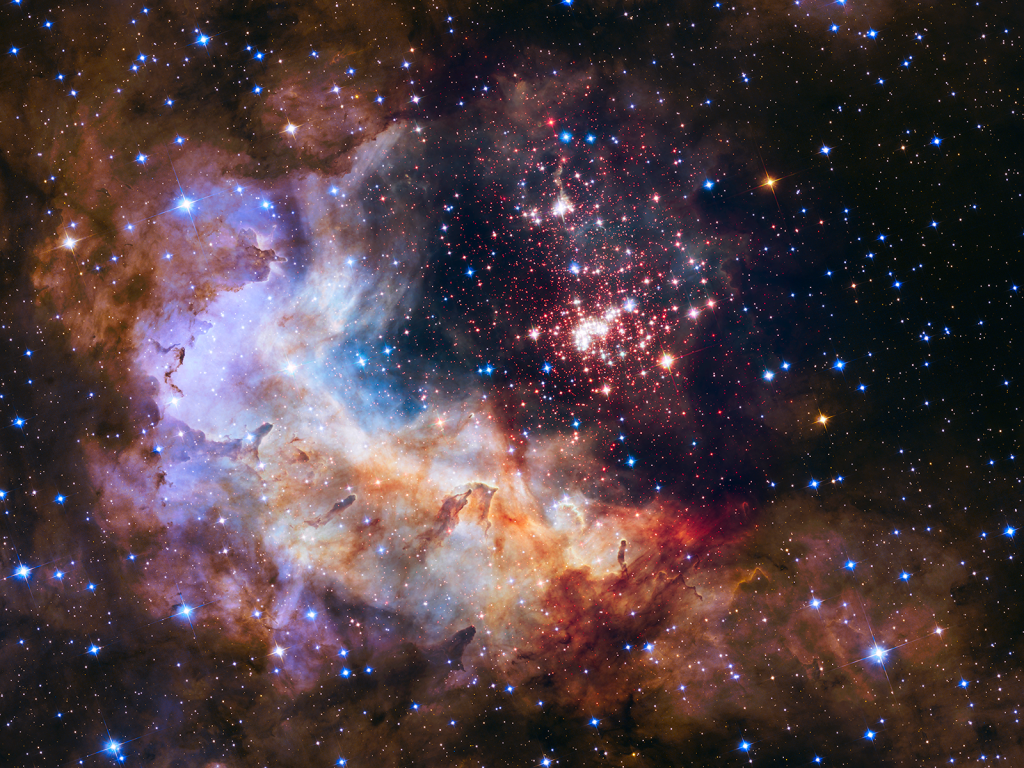
The Riddle of Antimatter
Humans have come a very long way on our journey to understand the universe. From classical astronomers charting the movements of the stars, to the recent discoveries of the Higgs boson and gravitational waves, mankind’s progress in exploring the relationships between matter, space and time has been astounding. Despite these achievements, some of the most … Continued
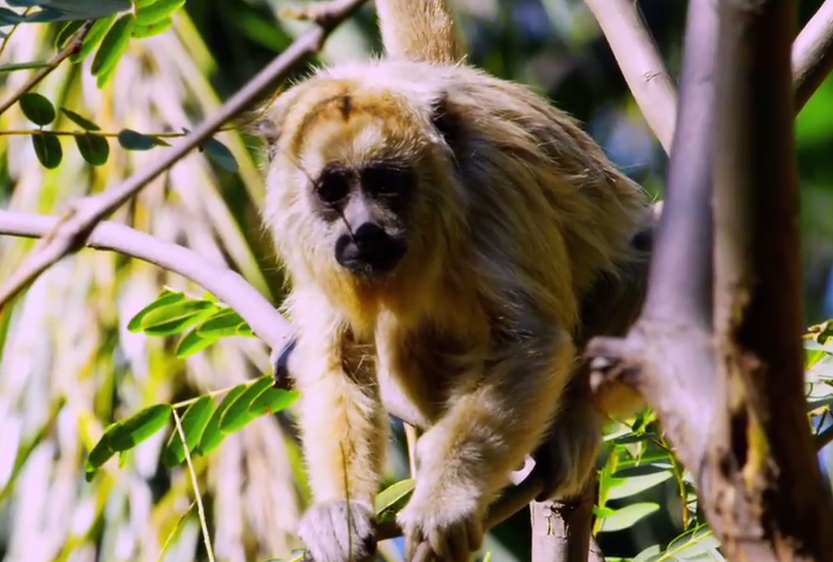
Baby animals: black howler monkeys
At the Santa Ana Zoo, a troop of black howler monkeys are a close-knit bunch. The slow pace of life is similar at the zoo as it would be in the wild except for the fact that they’re endangered in the wild.
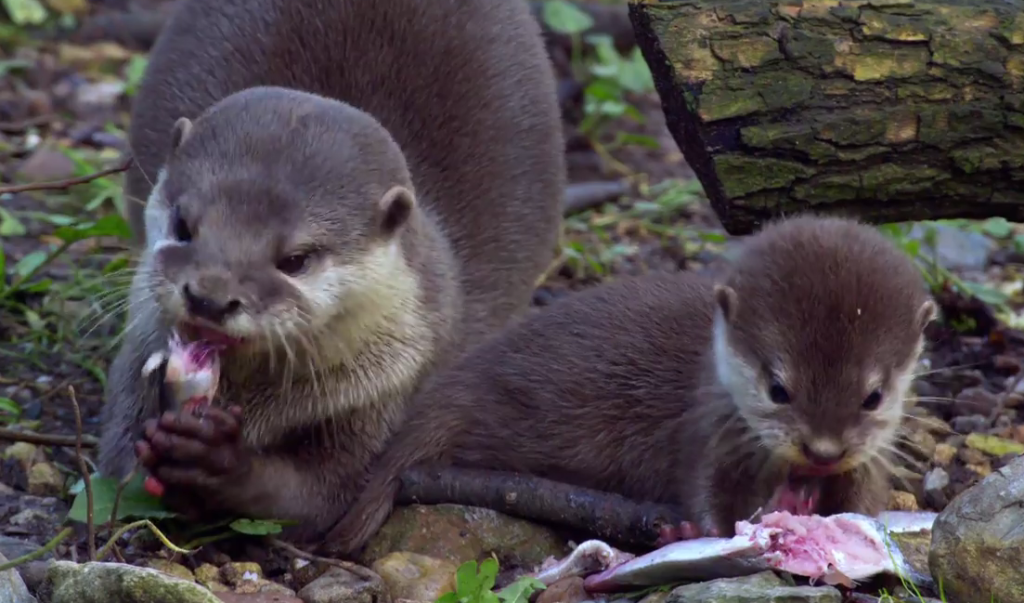
Baby animals: Asian small-clawed otters
When they’re first born, Asian small clawed otters weigh roughly 50 grams, the smallest otters out of the 13 species of otters found worldwide. Their survival tactic is to stick together and to maintain strong family ties.
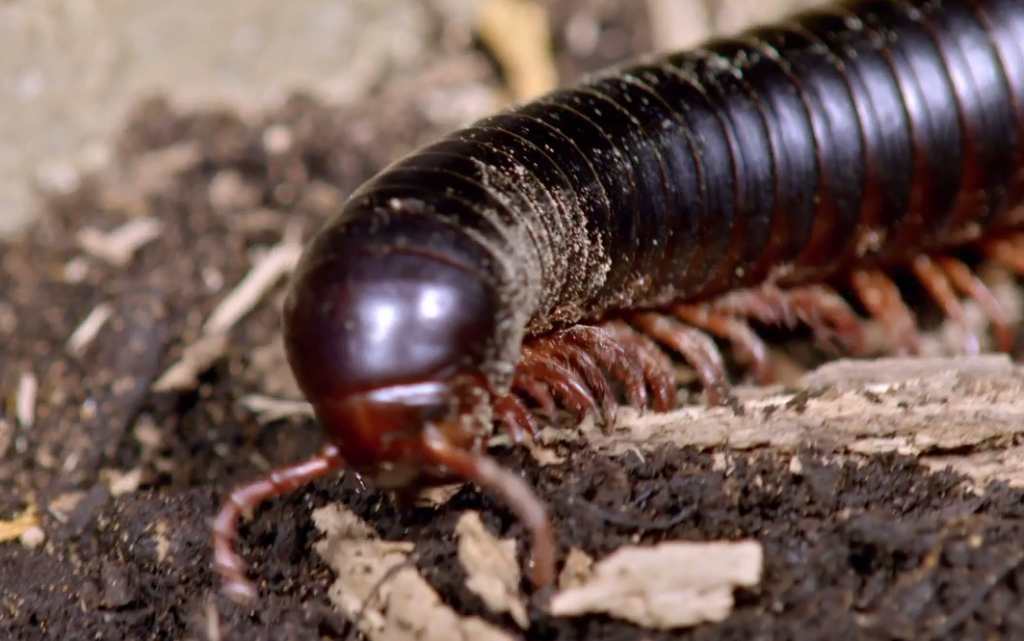
Strange creatures: millipedes
Giant African millipedes may look scary, but they’re really just nature’s hippies. The multi-legged night crawlers are plant lovers and are the oldest known land creatures dating back at least 420 million years. The monster-sized millipedes grow in size and in number of legs as they feed and can drop their legs if predators attack. … Continued
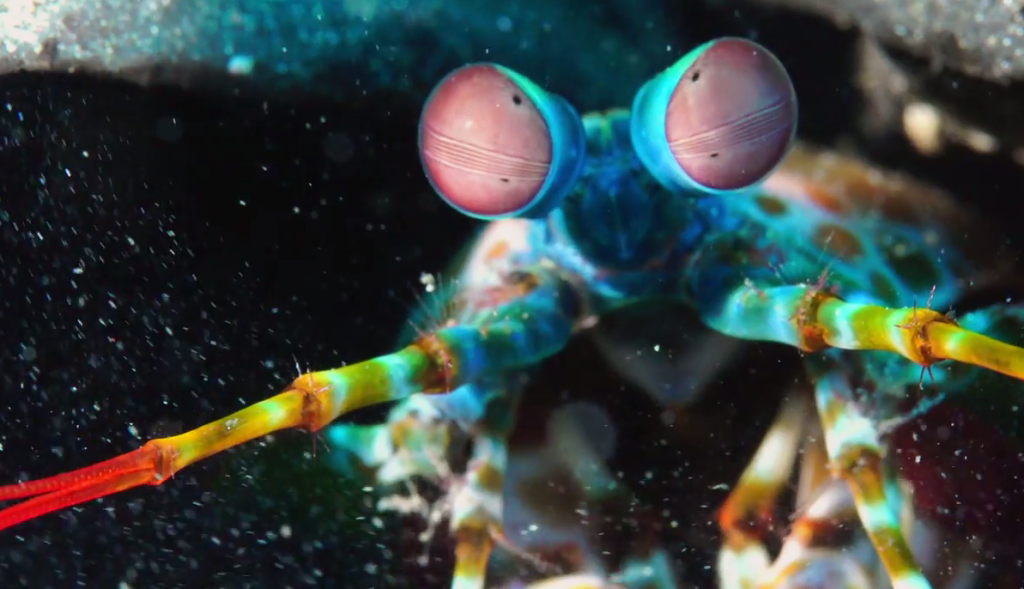
Strange creatures: the peacock mantis shrimp
Don’t be fooled by the peacock mantis’s stunning colouring, the bottom crawler is known to be one of the ocean’s most aggressive hunters. It was built to fight and can strike a deadly blow in a fraction of a second.
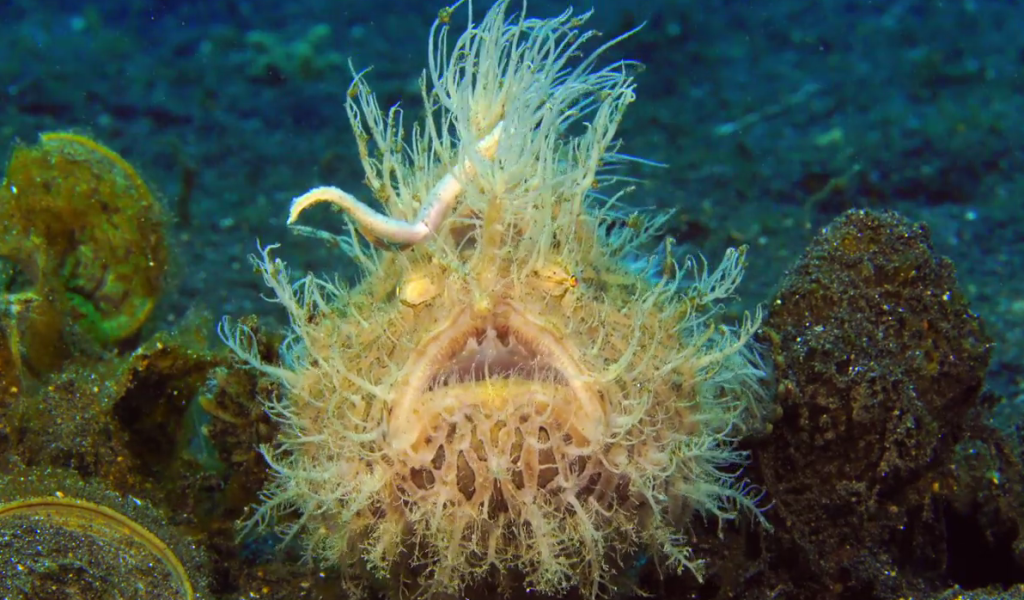
Strange creatures: the frogfish
Despite its name, the frogfish is all fish. The hairy invertebrate may prefer to blend in with its surroundings and move slowly along the ocean floor using its fins as little feet, but its bite is impressively quick. It can open its mouth, swallow its prey, and shut its jaw in 6 milliseconds, faster than … Continued
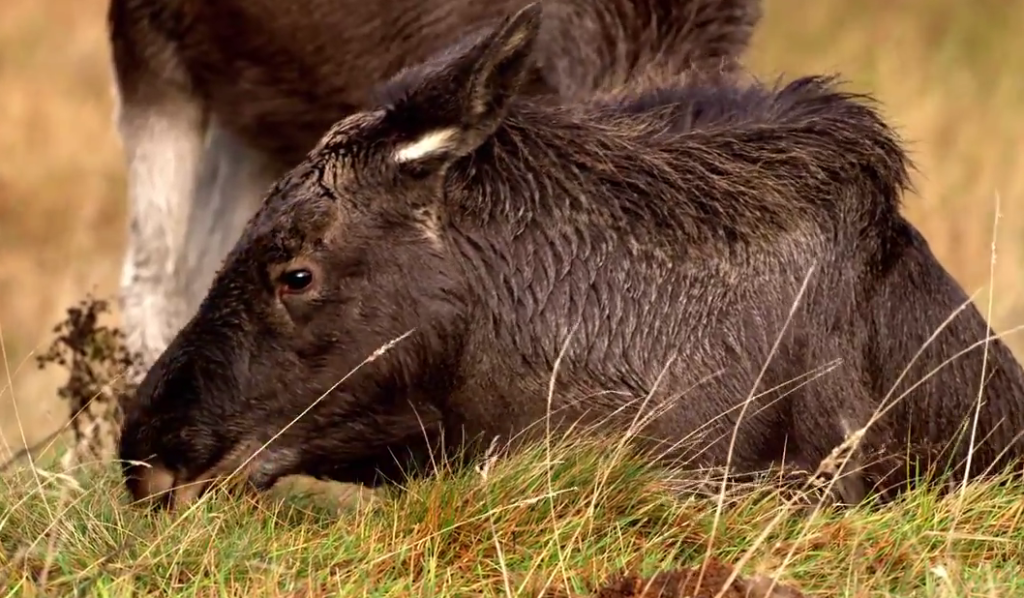
Baby animals: moose
European elk were extinct in the British Isles until 2007. Twin elk born at the Highland Wildlife Park doubled the species’ population in one fell swoop.
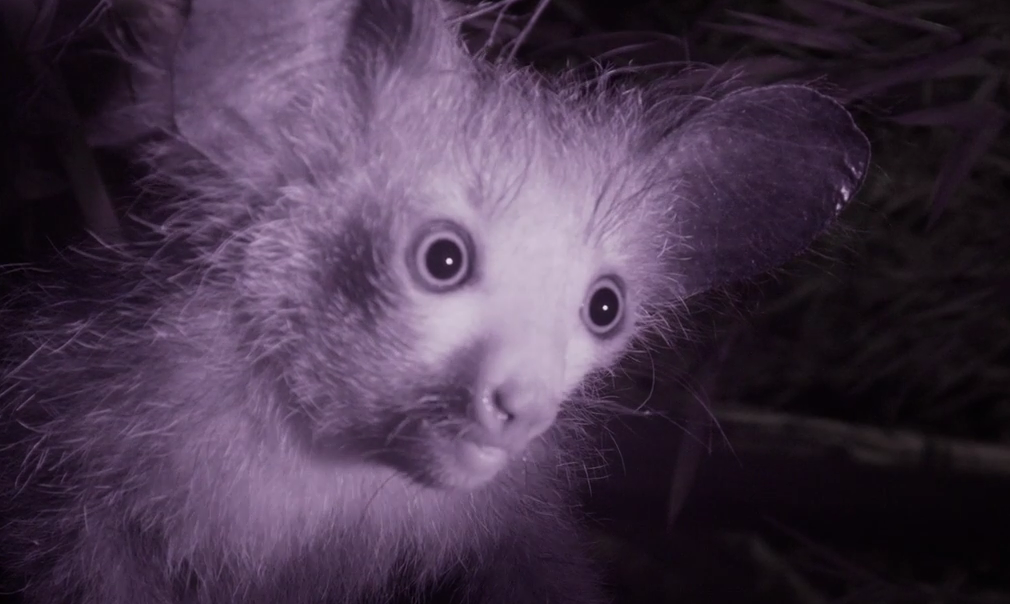
Strange creatures: the aye-aye
The aye-aye is a nocturnal lemur that can be found in the treetops of Madagascar—and it’s seen as a bad omen. Its long, bony witch-like middle finger has created a legend in local folklore and usually results in the animal’s instant demise should it be spotted in the wild.
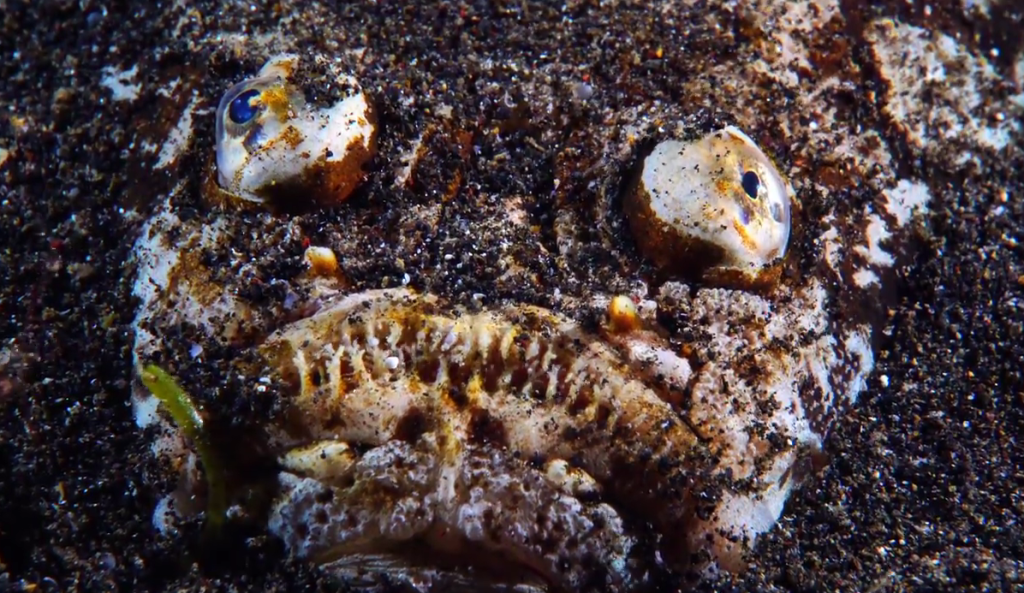
Strange creatures: the stargazer
With its skull-like appearance, the stargazer fish has a specialized organ behind its eyes that can produce an electric shock that stuns and incapacitates its prey. It lives throughout the Indian and Pacific Oceans in relatively shallow waters and hunts at night.
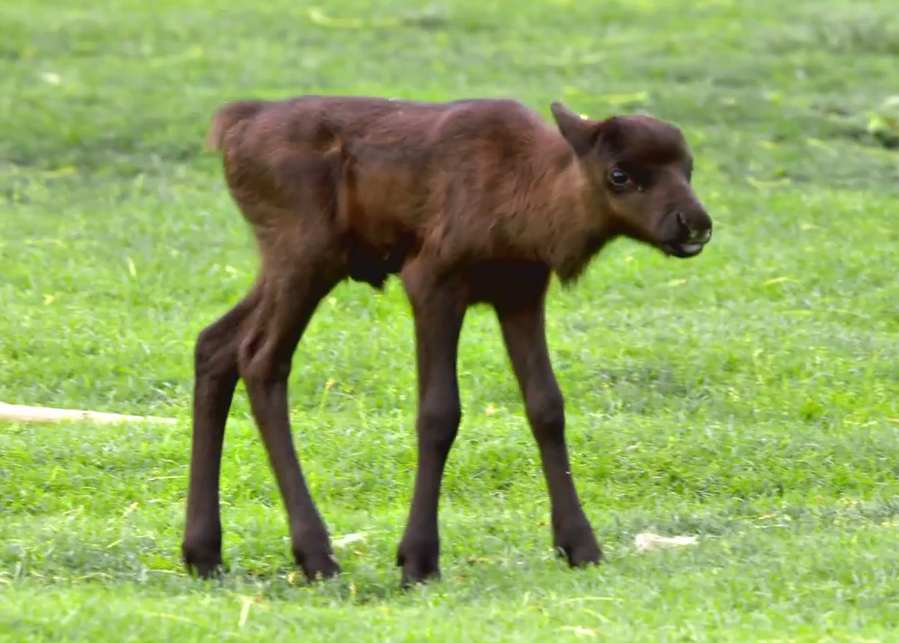
Baby animals: reindeer
Reindeer, also known as caribou, are the only species of deer in which females have antlers. The antlers develop within two to three weeks of being born and are the second largest antlers of any deer after moose. In the wild, reindeer calves learn the herd mentality since they’re at their safest in large numbers.
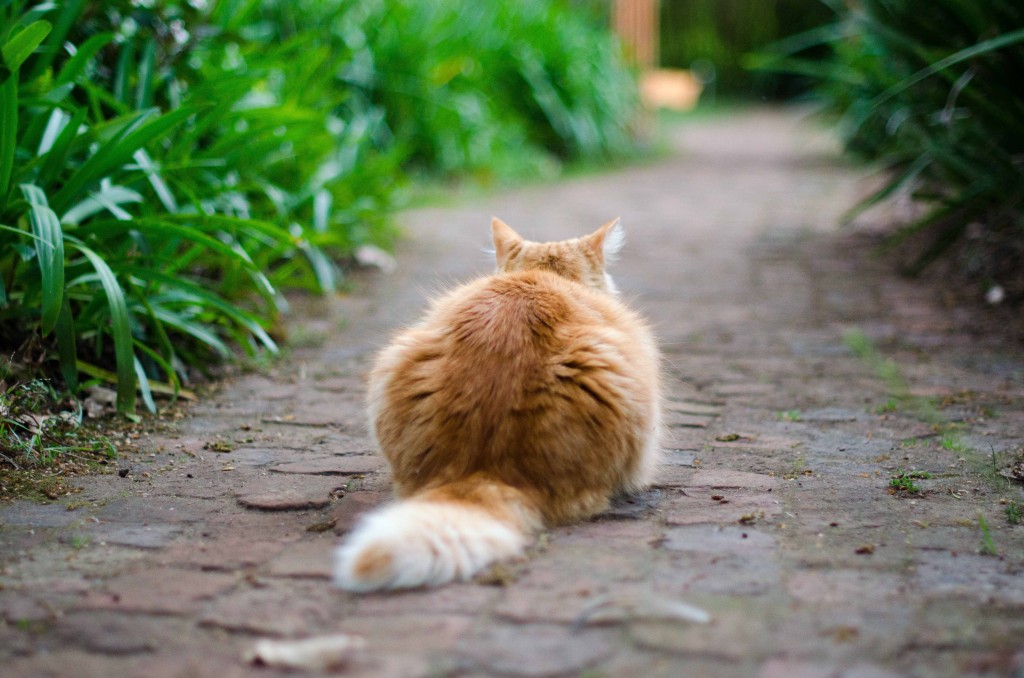
8 ways to turn your garden into a wildlife sanctuary
You don’t need to go on safari in Africa or venture down into the depths of a South American rainforest to spot amazing animals. Gardens are important ecosystems, filled with a variety of extraordinary creatures. Follow these tips to increase your chances of getting up close and personal with your local wildlife. 1. Hedgehog shelters … Continued

Baby animals: polar bears
When their mother died from her injuries, 11-month-old twin male polar bear cubs Eli and York were flown from the Arctic to the Assiniboine Park Zoo in Winnipeg, Manitoba. Although they may not have survived in the wild without their mother for guidance, the cubs are flourishing at the zoo.
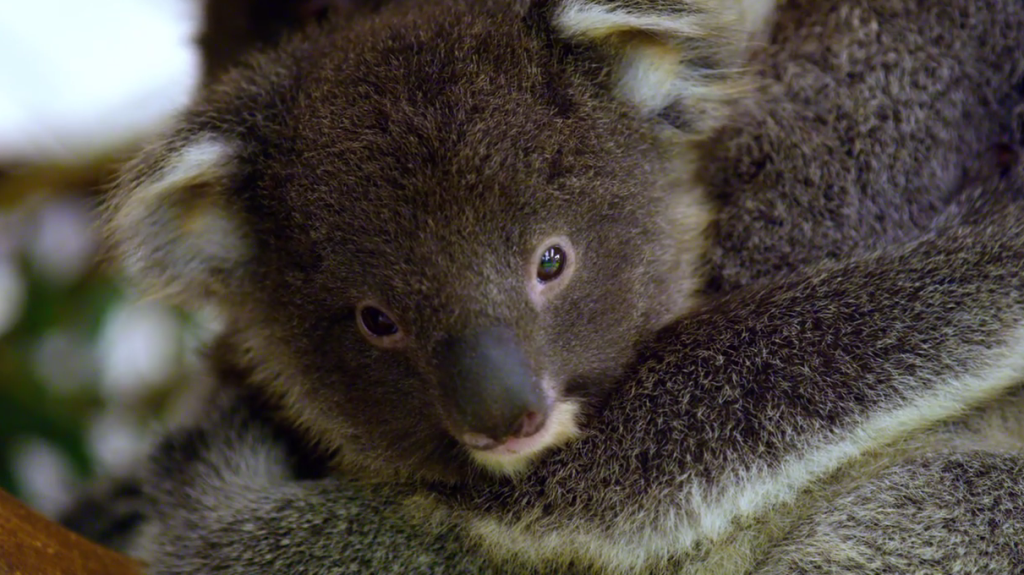
Baby animals: koalas
Eucalyptus leaves might be highly poisonous to humans, but koalas have a long gut with special bacteria that can metabolize the toxins. The Caversham Wildlife Park in Perth, Australia houses a tight-knit koala clan that can sleep up to 22-hours per day based on their diet rich in eucalyptus leaves.
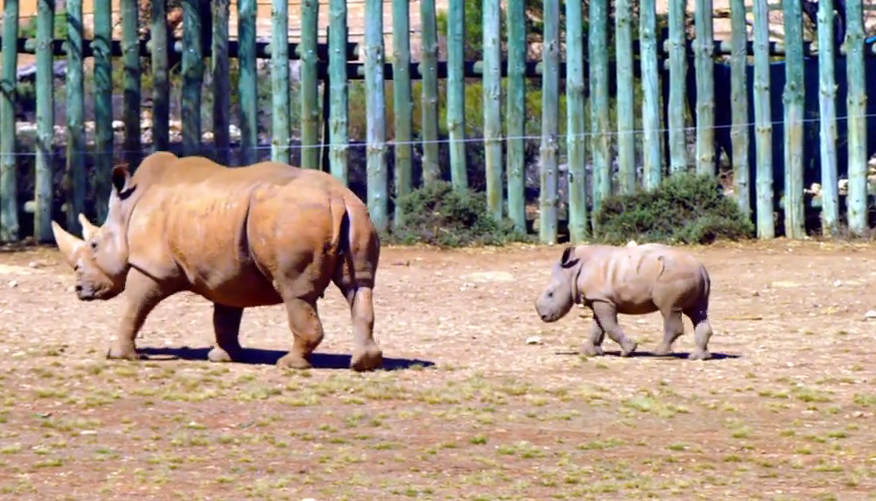
Baby animals: rhinos
Thanks to strong conservation efforts, the population of white southern rhinos has been brought back from the edge of extinction and continues to grow. The Monarto Zoo in southern Australia is the largest open range zoo in the country and it protects its rhinos from poachers that are after their horns, which can sell for … Continued
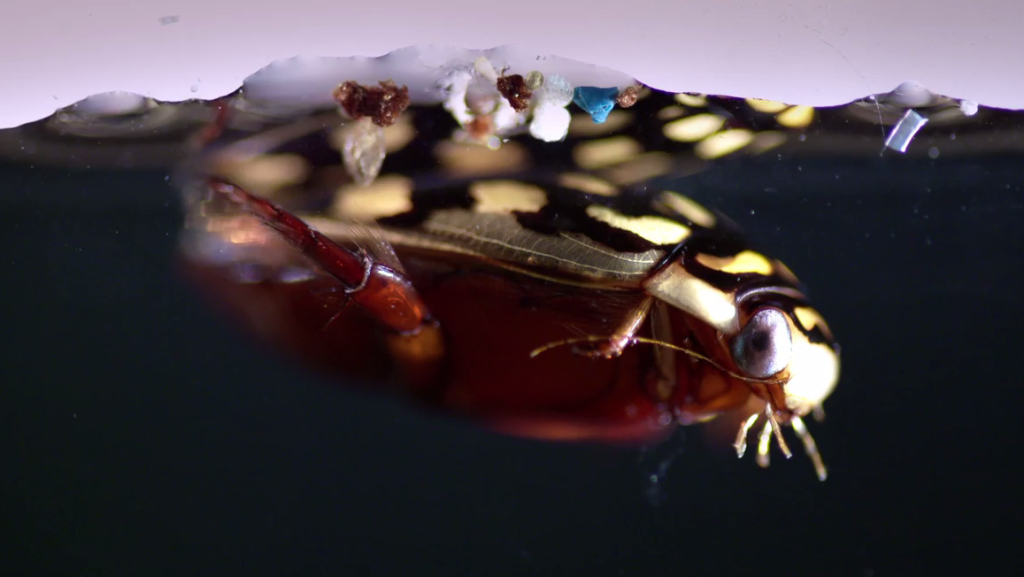
Strange creatures: the sunburst diving beetle
Those aren’t crystals you’re seeing. They’re oxygen bubbles that the sunburst diving beetles bring with them from the surface of the water. Only 2 and a half cm long at most with legs that move in sync like a rowboat, the beetles lurk below the surface of warm ponds and streams in the American Southwest.
Strange creatures: the cuttlefish
From their giant eyes to their large brains, the graceful-looking tropical cuttlefish may seem harmless, but they’re anything but. They are fast learners, adaptive to new environments, and they know how to scope out food and exactly how to get it. Once the victim is located, their slow, stealthy move-in precedes a lightning fast and … Continued
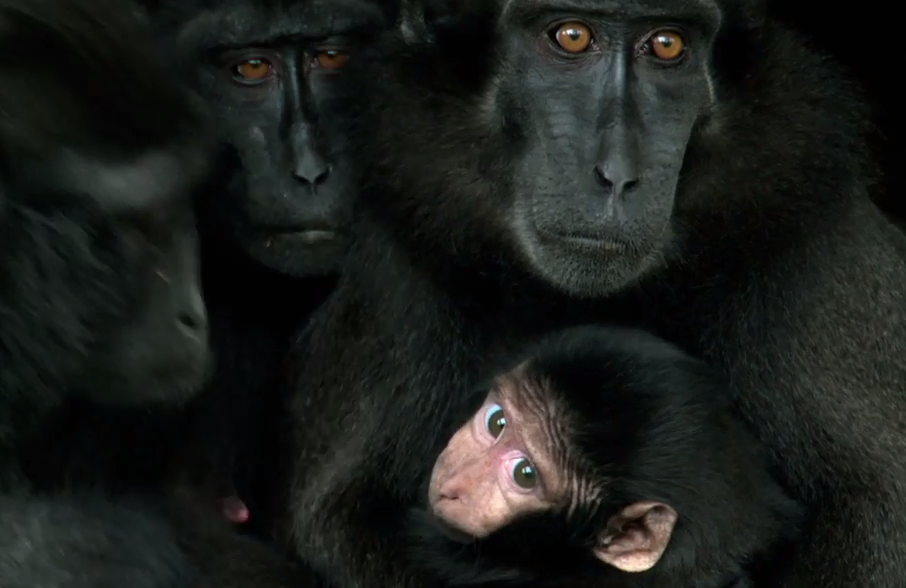
Baby animals: Sulawesi macaque
Summer is a 5-month-old Sulawesi macaque who resides at the Dudley Zoo in England with her close-knit family and protective mother Jasmine. The zoo is on a mission to help endangered species like the Sulawesi macaque and ensure that they are well cared for as they navigate the world around them.